
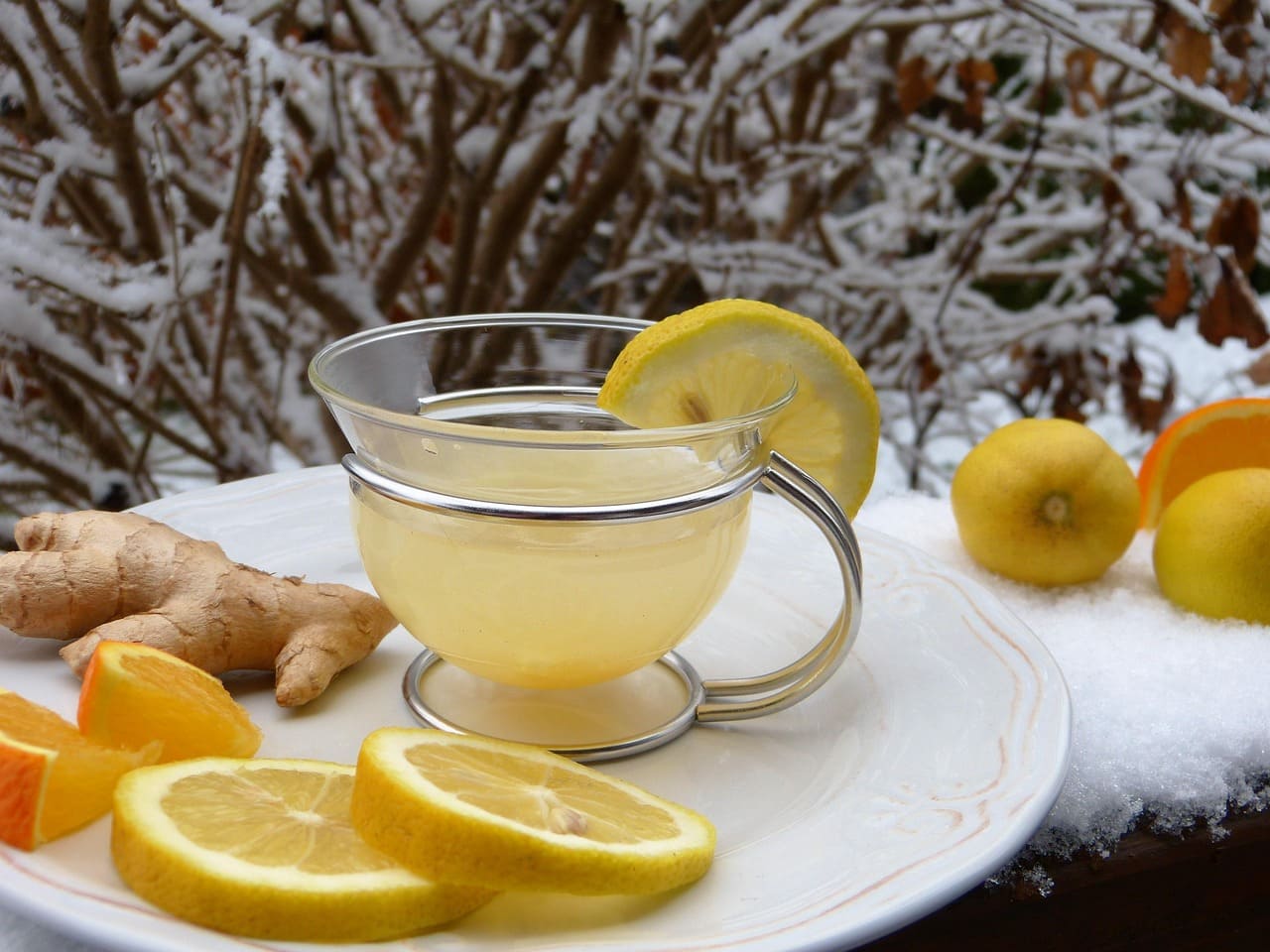
Ginger tea is the kind of drink that feels like a reset button—warming, zesty, and soothing in a way that fits almost any season. Some people reach for it on chilly mornings, others after a heavy meal, and plenty of tea lovers simply crave that bold, spicy aroma that rises from the cup. Whether you brew it fresh from sliced ginger or steep a convenient sachet, ginger tea can be as simple or as customized as you want. You can keep it pure and peppery, sweeten it gently, or add citrus for a brighter finish. And because it pairs well with other herbs, it’s easy to make ginger tea part of a broader tea ritual—especially alongside gentle, earthy blends like mullein tea when you want a softer, calmer sip.
What Ginger Tea Tastes Like and Why People Love It
Ginger has a signature flavor: spicy without being “hot” like chili, lively without being sour, and warming in a way that lingers. A classic ginger root tea brewed from fresh slices tends to taste clean and bright, with a little bite that can feel energizing. If you simmer it longer, it becomes deeper and more robust, almost peppery. If you steep it briefly, it stays lighter and more aromatic.
One reason ginger tea is so popular is how well it plays with other flavors. Add lemon and the cup feels instantly fresher; add honey and it becomes rounder and more comforting. That’s why lemon ginger tea is a staple for many people—simple, familiar, and easy to enjoy. The lemon lifts the ginger’s spice, while the sweetness (if you add it) smooths the edges.
Ginger also pairs naturally with turmeric, creating a golden, earthy blend that many tea drinkers love for its bold, grounded flavor. You’ll see combinations like turmeric and ginger in many tea cupboards, especially for cozy evenings or post-dinner sipping. If you make it from scratch, you can adjust the balance: more ginger for zing, more turmeric for warmth, and a touch of black pepper to give it a little extra kick.
How to Brew Ginger Tea at Home
Making ginger tea at home is wonderfully flexible. The simplest method is steeping: slice fresh ginger thinly, pour hot water over it, and let it sit. For a stronger cup, simmer the slices gently for 10–15 minutes, then strain. Simmering pulls out more spice and gives the tea a fuller body, which some people prefer when they want a bold flavor.
If you’re building your own blend, you can create a version that tastes like a café favorite without needing anything fancy. For example, combine ginger with turmeric and a squeeze of citrus to make a richer take on turmeric and ginger root tea. You can also add cinnamon, cloves, or a small piece of orange peel for a warmer, spiced profile.
For a brighter, more refreshing cup, start with ginger, add lemon, and sweeten lightly. A classic lemon ginger tea can be made with fresh lemon juice stirred in after steeping (so the citrus stays vibrant), plus honey if you like. If you prefer a more delicate finish, use lemon zest instead of juice and keep the steep time shorter.
Some tea drinkers enjoy ginger blends that lean into the earthy side. That’s where turmeric-forward options come in, including mixes labeled as curcuma ginger tea (curcuma is another name you’ll often see for turmeric). These blends tend to taste smoother and more rounded, especially when paired with a mild sweetener or a splash of milk.
Pairing Ginger with Other Teas and Herbs
Ginger is bold, but it isn’t a loner—it blends beautifully with other ingredients. If you want something gentle and herbal, try alternating ginger tea with a softer infusion like mullein tea. Where ginger is spicy and bright, mullein tea tends to feel mild and earthy, making it a calming counterpoint in a weekly routine. They also work well in seasonal tea lineups: ginger when you want warmth and energy, mullein when you want a quieter, soothing cup.
You can also treat ginger tea as a base and build a “signature cup” around what you love. Add mint for freshness, chamomile for softness, or a little vanilla for a cozy, dessert-like edge. The key is to keep ginger as the lead flavor and let the supporting ingredients enhance it rather than cover it up.
Conclusion
Ginger tea earns its place in any tea collection because it’s both simple and endlessly adaptable. A straightforward cup of ginger root tea can be bracing and bright, while a cozy blend with turmeric and ginger can feel warm and grounding. If you prefer something fresh, lemon ginger tea adds lift and clarity; if you like deeper herbal flavors, curcuma ginger tea brings a mellow, earthy twist. And when you want to soften the spice and rotate in something gentler, mullein tea makes a natural companion in your daily tea routine. No matter how you brew it, ginger tea invites you to slow down, breathe in that spicy aroma, and enjoy a cup that feels like comfort with a little spark.