
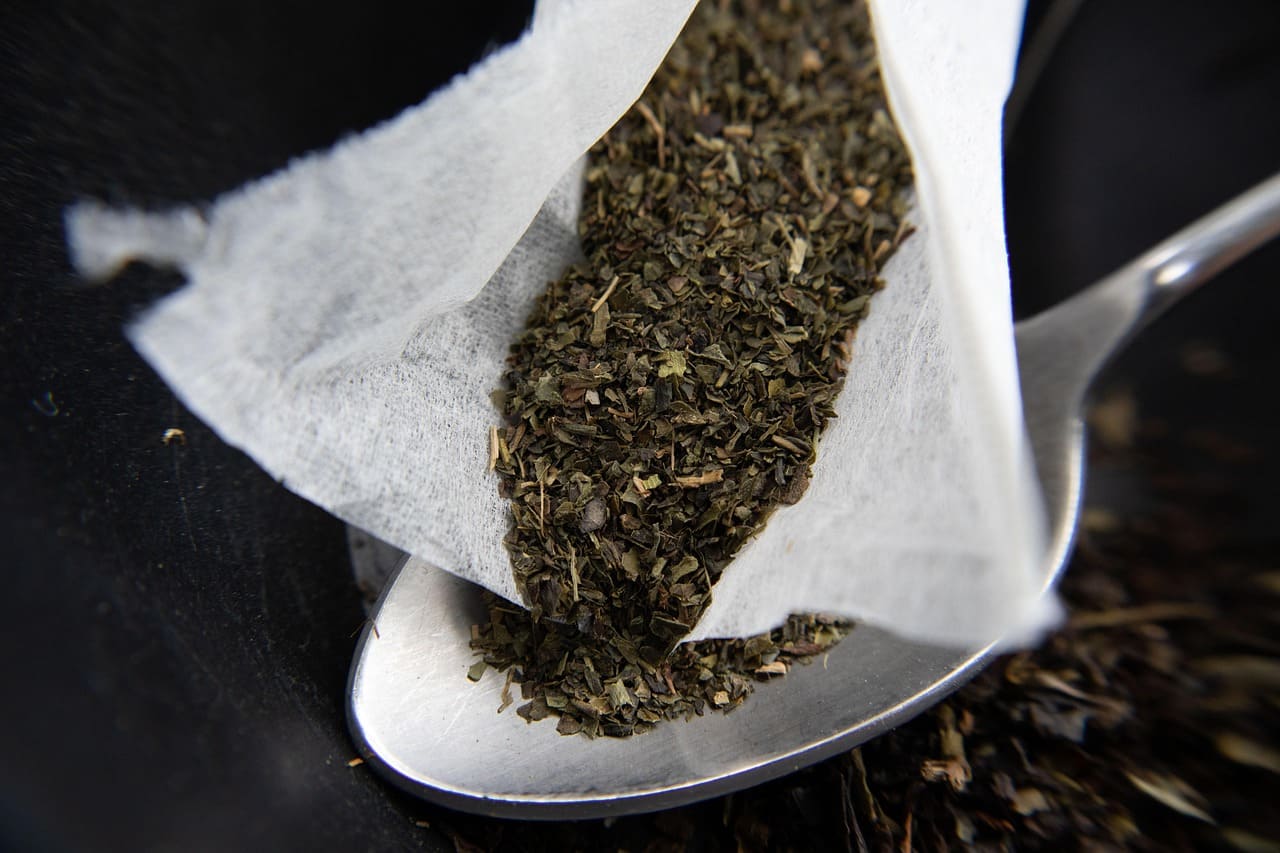
Hojicha is the kind of tea that feels instantly calming—warm, roasty, and gently sweet without trying too hard. Unlike brighter green teas that can taste grassy or sharp, hojicha leans into cozy notes that remind many people of toasted nuts, caramelized sugar, or even a hint of cocoa. That mellow profile makes it easy to love, whether you’re new to tea or already have a well-worn favorite mug. It’s also wonderfully flexible: you can drink it hot, pour it over ice, or even use it as a base for creamy lattes. If you like the cozy vibe of a chai latte but want something less spiced and more roasty-smooth, hojicha might be your next go-to.
What Is Hojicha and Why Does It Taste Roasted?
Hojicha tea (also written as hōjicha) is a Japanese roasted tea, traditionally made by roasting green tea leaves (often bancha or sencha) at high heat. That roasting step is the key: it transforms the leaf’s natural character, turning fresh green notes into deeper, warmer flavors. In simple terms, hojicha is all about toastiness—smooth, comforting, and rarely bitter when brewed with reasonable care.
Because the roasting process changes the chemistry of the leaf, many people find hojicha green tea easier to drink than more astringent green teas. It tends to be gentler on the palate and forgiving if your water is a little too hot or your steep runs a little long. That’s one reason it’s so popular as an everyday tea, especially in the afternoon or evening when you want something soothing.
You may also see the name written in different ways. “Ho ji cha” sometimes appears as an alternate spacing, and “hōjicha” is the same word with a long vowel mark. However it’s spelled, the experience is consistent: a roasted, mellow cup that’s cozy from the first sip.
How to Brew a Great Cup at Home
Brewing hojicha is refreshingly simple. Start with fresh water and warm it to a near-boil (hojicha can handle higher temperatures than many green teas). Use about 1 to 2 teaspoons of leaves per 8 ounces of water, then steep for roughly 30 seconds to 1 minute to start. If you want a deeper, toastier cup, extend the steep time a bit—hojicha is less likely to turn harsh compared to many unroasted green teas.
Hojicha also shines as iced tea. Brew it slightly stronger than usual, let it cool, then pour over ice. The roasted notes stay present even when chilled, which is one reason hojicha is so refreshing in warm weather. If you enjoy creamy drinks, hojicha makes a beautiful latte: brew a strong concentrate, then add warm milk (dairy or plant-based) for a smooth, dessert-like cup. In that sense, it can scratch a similar itch to a chai latte—comforting, café-like, and satisfying—while keeping a distinctly roasted-tea personality.
Hojicha Matcha and Modern Variations
In addition to loose leaves, you might come across hojicha matcha. This is a finely ground powder made from roasted hojicha leaves, whisked with hot water much like traditional matcha. The difference is the flavor: hojicha matcha is toastier, darker, and often more cocoa-like than classic matcha, with a softer “green” edge. It’s especially popular in lattes and desserts because it blends smoothly and brings a rich, roasted aroma.
You can also find hojicha tea in tea bags, ready-to-drink bottles, and café drinks with sweeteners. Some people like a touch of honey or a little sugar, but hojicha’s natural roasted sweetness often means it doesn’t need much. If you do sweeten it, aim for just enough to highlight the toasty notes rather than covering them up.
Conclusion
Hojicha is proof that tea doesn’t have to be sharp or grassy to be deeply satisfying. With its roasted aroma, mellow flavor, and easygoing brew style, hojicha tea (or hōjicha) fits beautifully into everyday life—quiet mornings, cozy evenings, or a refreshing iced break. Whether you steep classic hojicha green tea leaves, explore ho ji cha in a convenient bag, or treat yourself to a creamy hojicha matcha latte, you’ll find a cup that feels both simple and special. And if you already love the comforting ritual of a chai latte, hojicha offers a gentler, roasty alternative that still feels like a warm hug in a mug.