
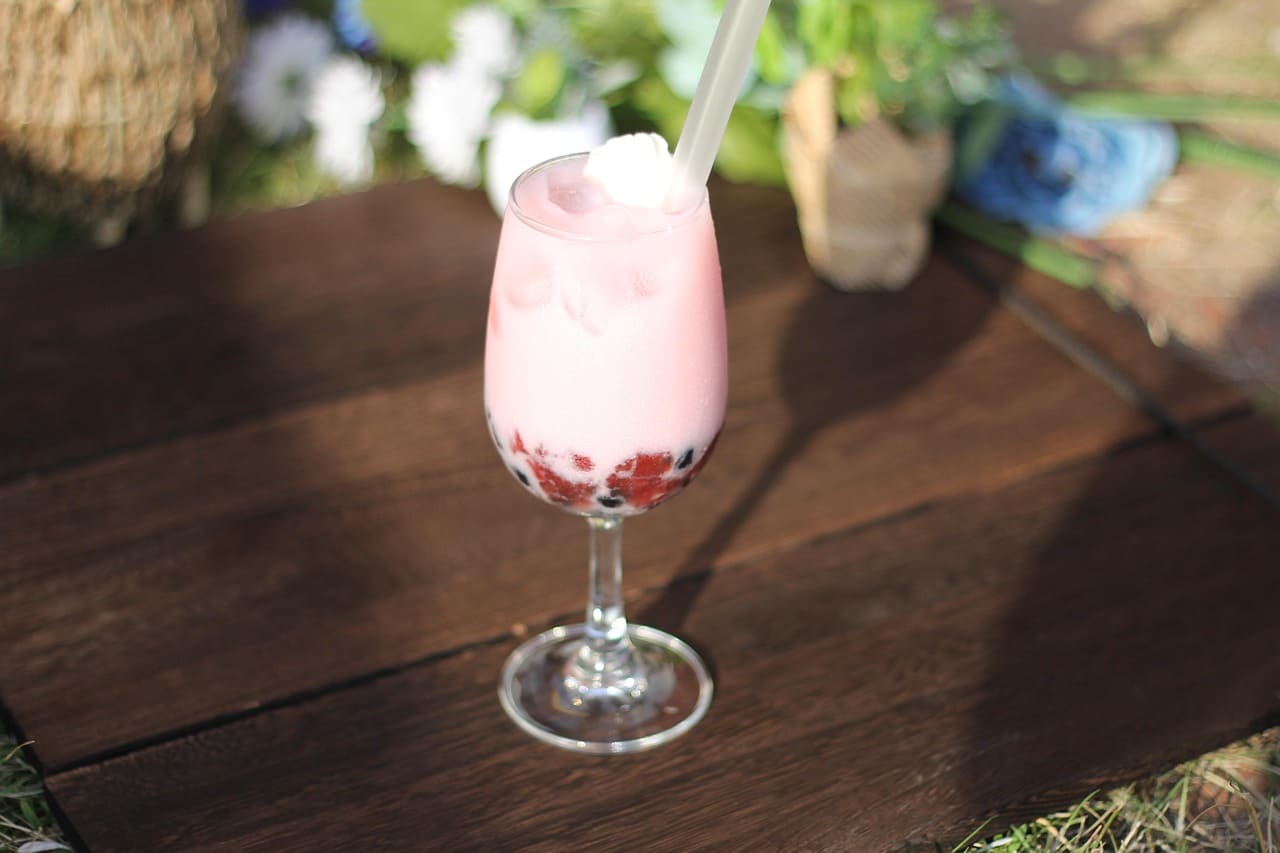
Boba is more than a trendy drink—it’s an experience. The first sip usually surprises you: creamy or fruity tea, a hint of sweetness, and then the satisfying chew of tapioca at the bottom of the cup. Whether you call it bubble tea or simply boba, it has a way of turning an everyday beverage into a treat you look forward to. Part dessert, part drink, and part ritual, boba invites you to customize everything from the tea base to the sweetness level and toppings. It’s also a social drink by nature—fun to order with friends, easy to share recommendations about, and instantly recognizable the moment that wide straw hits the lid.
What Is Boba and Why Is It So Addictive?
At its core, boba is tea (or sometimes coffee or a fruit blend) served cold with chewy add-ins—most famously tapioca pearls. The term “bubble tea” originally referred to the foam bubbles created when tea and milk are shaken, but over time it became the umbrella name for the entire category of boba drinks.
Traditional tapioca tea usually starts with black tea or green tea, then adds milk or a non-dairy creamer, plus sweetener. The drink is poured over ice, and the warm, freshly cooked tapioca pearls are added last so they stay soft and springy. Those pearls are what make boba feel so different from ordinary iced tea: each sip becomes a mix of smooth liquid and chewy texture.
The best boba shops focus on balance. If the tea is too weak, the drink tastes like sugar and milk. If it’s too strong, it can overpower the toppings. The goal is harmony—tea flavor you can actually taste, sweetness that supports rather than dominates, and pearls that are tender but not mushy.
The Magic of Tapioca Pearls and How They’re Made
Tapioca pearls are made from tapioca starch, which comes from the cassava root. When cooked properly, they become glossy and chewy with that signature bounce. Many shops sweeten them after cooking by soaking them in brown sugar syrup or honey, creating pearls that taste caramel-like and warm even in an iced drink.
Texture is everything. Overcooked pearls can turn gummy; undercooked pearls can have an unpleasant hard center. This is why the freshest pearls tend to taste best—many shops cook them throughout the day so the texture stays ideal.
Not every boba topping is tapioca, though. Some drinks include popping boba filled with juice, jelly cubes, or pudding-like toppings. Still, tapioca pearls remain the classic choice, and they’re the ingredient most people think of the moment they hear “boba.”
How to Order Boba Like a Pro
One reason boba has stayed popular is the personalization. Most shops let you choose your tea base, milk style, sweetness, and ice level. If you’re new, a “classic milk tea” is a reliable starting point. If you want something lighter, try a tea-forward option with less milk and a moderate sweetness level.
Boba menus often include familiar brands and references, too. You might see something inspired by chatime bubble tea on one menu, while another shop highlights its own signature pearls or syrups. Some places even have playful names like bobatime-style specials that lean into candy-like flavors and colorful toppings.
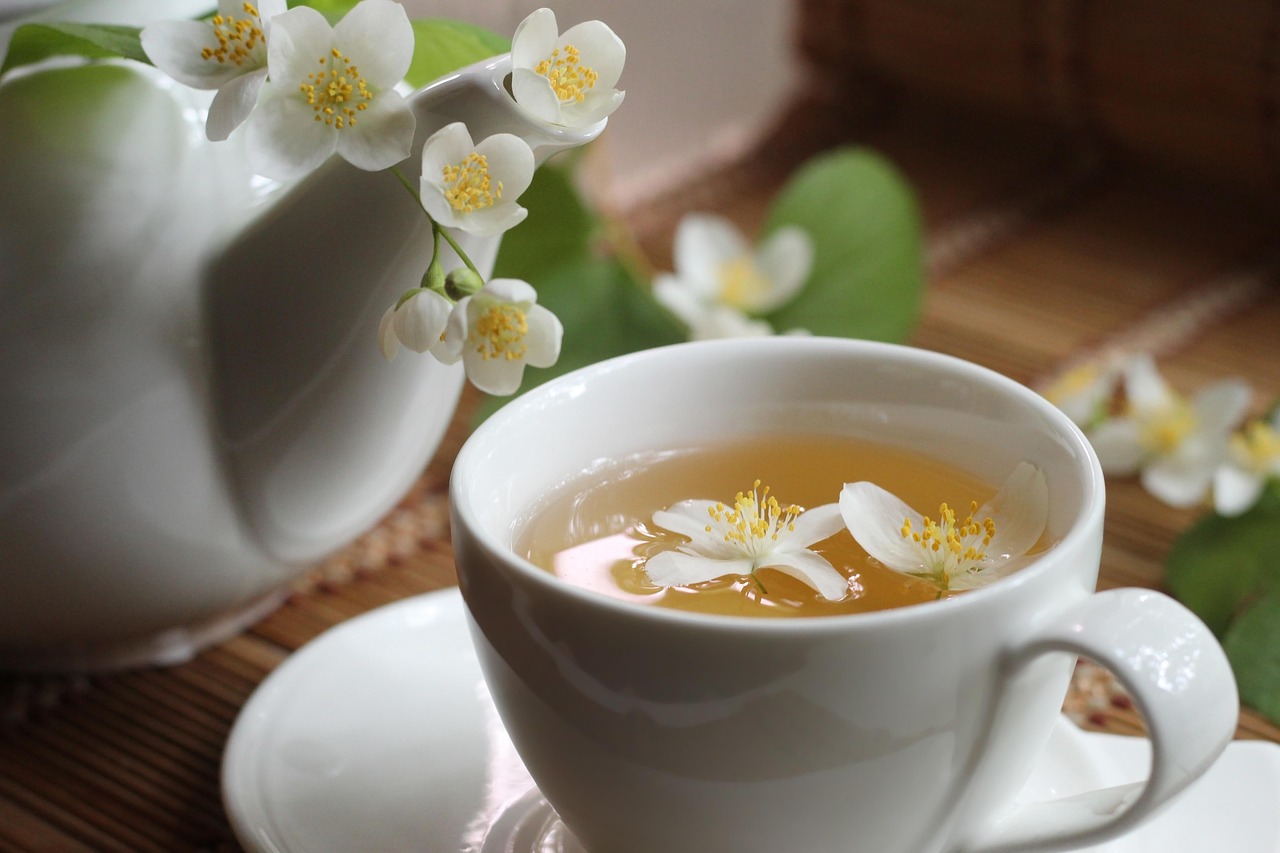
If you want a more floral, soothing direction, boba pairs beautifully with jasmine tea. A jasmine tea base gives bubble tea a fragrant lift that cuts through sweetness and makes the drink taste brighter and cleaner. It’s a great choice if you love tea flavor and don’t want the drink to feel heavy.
A good rule for first-time orders: pick one topping, keep sweetness around 50–70%, and choose regular ice unless you’re sensitive to cold. Once you find your “baseline,” you can explore more creative combinations.
Conclusion
Boba has earned its place as a modern classic because it’s fun, flexible, and genuinely satisfying. Whether you’re craving a creamy tapioca tea, a refreshing fruit bubble tea, or a floral cup built on jasmine tea, there’s a version that fits your mood. From perfectly cooked tapioca pearls to the endless customizations—sweetness, ice, milk, and toppings—boba turns a simple drink into a small celebration. And whether you’re grabbing a familiar chatime bubble tea–style order or trying a new bobatime-inspired flavor, the best boba moments always come down to the same thing: great tea, great texture, and that first chewy sip.