
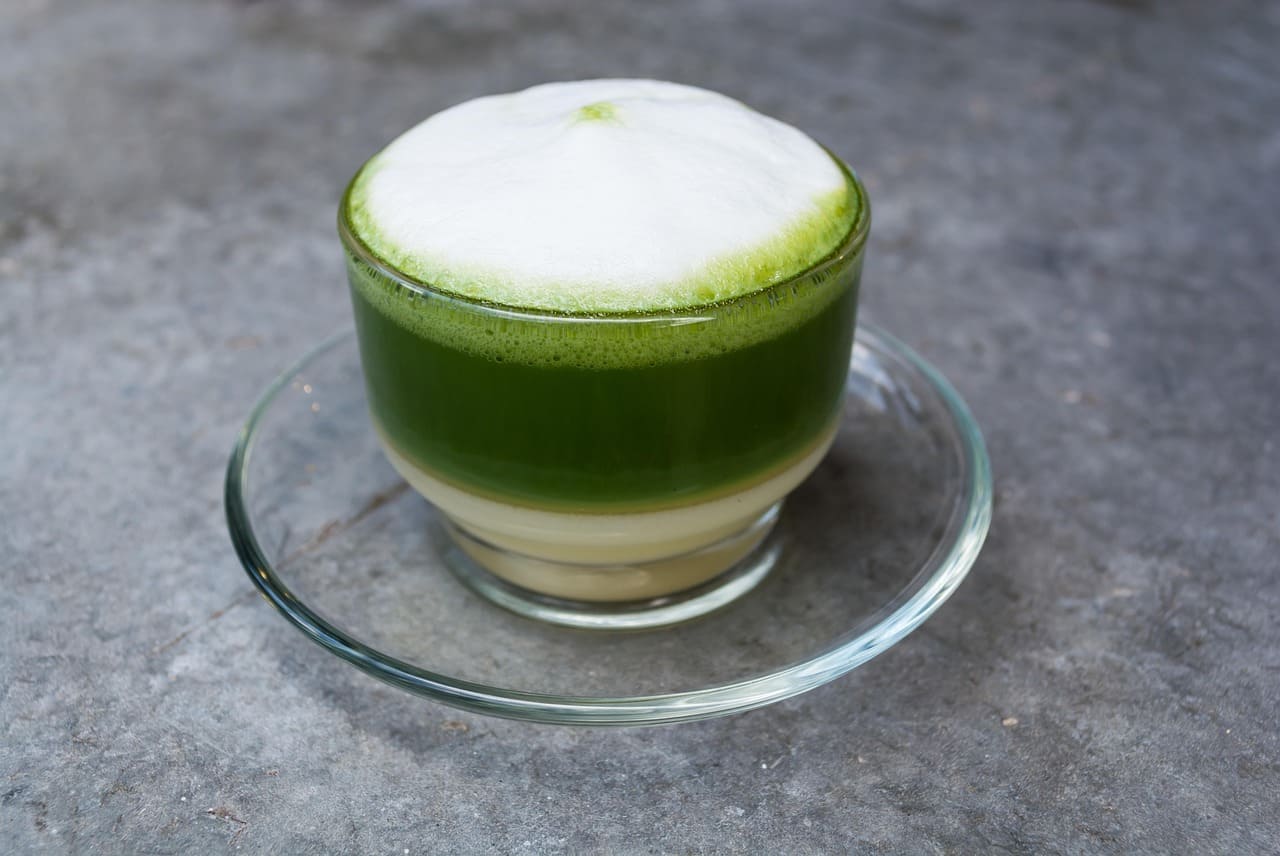
Milk tea is one of those drinks that feels both familiar and endlessly new. At its simplest, it’s just milk and tea brought together for a smooth, rounded cup that’s gentler than straight tea and more comforting than plain milk. But depending on where you are—and what you’re craving—milk tea can be cozy and hot, lightly sweetened and floral, or thick, chilled, and topped with chewy pearls. It’s the kind of drink that can match your mood: calm and classic in the morning, fun and dessert-like in the afternoon, or refreshing when the weather turns warm. Once you start exploring, you’ll see why milk tea has become a global favorite.
From Classic Cups to Boba Tea Drinks
Milk tea has roots in many cultures, and each tradition adds its own twist. In some homes, it’s as simple as steeping black tea and stirring in warm milk with a touch of sugar. In other places, strong tea is brewed first, then mixed with sweetened condensed milk for a richer, more indulgent sip. The magic is in the balance: tea brings aroma, gentle bitterness, and depth, while milk adds softness and a creamy finish.
The modern popularity of boba tea drinks helped introduce milk tea to even more people. This style often includes tea, milk (or a non-dairy creamer), sweetener, and the signature topping: tapioca pearls. If you’ve ever heard someone say boba and bubble tea, they’re usually talking about the same general family of drinks—milk tea or fruit tea served with “bubbles,” often meaning chewy boba pearls, popping boba, or other fun toppings. The drink is typically served cold with a wide straw so you can sip and chew at the same time.
What makes milk tea so lovable is how customizable it is. You can choose the tea base (black, green, oolong, or even roasted teas), adjust sweetness, pick the milk type, and decide whether you want it creamy, light, or extra rich. The result can be anything from a simple everyday treat to a full-on dessert in a cup.
A standout flavor that many people fall in love with is taro milk tea. Taro adds a soft, vanilla-like sweetness with a starchy, creamy body that pairs beautifully with milk tea’s smooth texture. When you add pearls, you get taro boba, a drink that’s both satisfying and playful—sweet, creamy, and chewy in one sip. Some versions use taro powder for a pastel look and bold flavor, while others use real taro for an earthier, more subtle taste. Either way, it’s one of the most popular options on many bubble tea menus for good reason.
Milk tea can also be “lighter” depending on how it’s made. A strong tea base with just a splash of milk keeps the drink brisk and tea-forward. A creamy base with more milk creates a dessert-like drink that feels almost like a milkshake, especially when served iced. You’ll often find milk tea paired with complementary notes like vanilla, brown sugar, honey, or gentle spices, and you can even add toppings like grass jelly, pudding, or aloe for extra texture.
If you enjoy exploring flavors beyond creamy and sweet, it’s worth noticing how milk tea fits into the wider tea world. For example, a bright, tangy infusion like hibiscus flower tea is usually enjoyed without milk, because its tart, fruity character shines best on its own. But the contrast is helpful: hibiscus shows how bold and vivid tea can be, while milk tea shows how soothing and mellow tea can become with a creamy partner. Having both options in your rotation makes tea time feel more flexible and fun.
Conclusion
Milk tea is more than a trend—it’s a comforting, customizable way to enjoy tea that can be as simple or as creative as you want. Whether you prefer a classic cup of milk and tea, a playful round of boba tea drinks, or a creamy favorite like taro milk tea with chewy taro boba, there’s a version that fits your taste and your day. And if you like to mix things up, you can always shift gears with a bright cup inspired by hibiscus flower tea when you want something crisp and refreshing. No matter how you build it, milk tea invites you to slow down, sip, and enjoy the little moment you’ve made for yourself.