
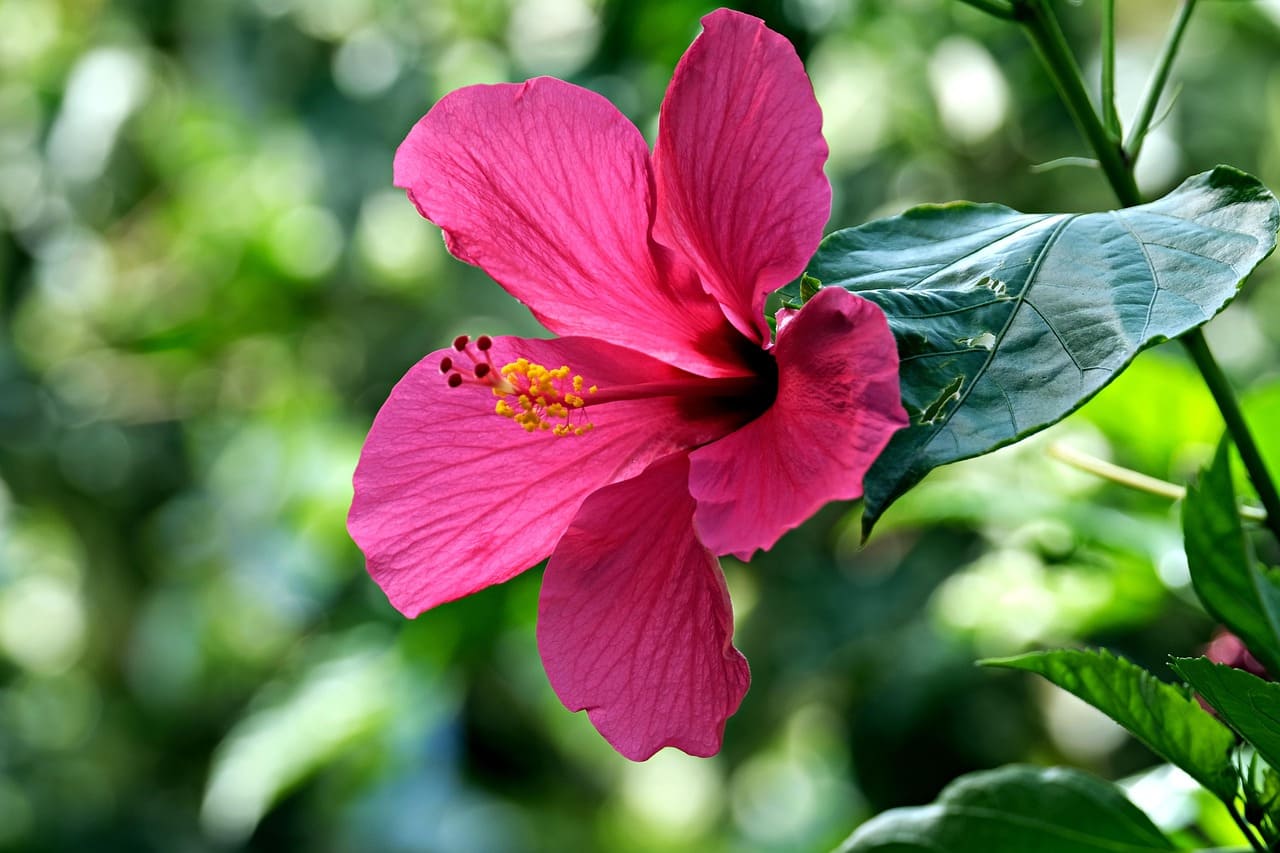
Hibiscus flower feels like a celebration in a teacup. The moment it meets hot water, the brew turns jewel-red and the aroma becomes fruity and bright. The flavor is tart—somewhere between cranberry and citrus—and refreshing whether you sip it warm or pour it over ice. Many people discover hibiscus teas in iced blends, but this vivid infusion is just as satisfying on a quiet afternoon when you want something lively without relying on caffeine.
What Hibiscus Is and Why It Brews So Beautifully
When we talk about hibiscus tea, we’re usually steeping the calyces—the fleshy outer parts—of certain hibiscus varieties. You may even see the phrase flower hibiscus flower on packaging to emphasize that the drink is made from real botanical material rather than “hibiscus-flavored” additives. Those dried pieces release pigment and natural acids quickly, which is why the cup turns red so fast and tastes so crisp.
It’s easy to mix up a hibiscus plant grown for ornamental blooms with the type used for tea, because both belong to the same broader family. If you’ve ever admired a tropical hibiscus in a garden—big, showy petals and bright colors—you already know the vibe hibiscus brings. In a mug, that vibe becomes flavor: bright, juicy, and pleasantly puckery.
Because hibiscus is naturally tart, it plays well with sweetness and spice. Honey rounds the edges, a little sugar can make it taste like berry punch, and citrus peel adds lift. Mint brings a cooling finish, while cinnamon adds warmth.
How to Brew Hibiscus at Home
The easiest approach is hot steeping. Add dried hibiscus flower to your infuser or teapot—about 1 to 2 teaspoons per cup—then pour water just off the boil. Steep for 5 to 8 minutes, depending on how bold you want it. Shorter steeps give a lighter, brighter cup; longer steeps deepen the color and intensify the tartness. If the tea tastes too sharp, sweeten lightly or shorten the next steep.
Cold steeping is another excellent method, especially for pitchers. Combine dried hibiscus flower with cool water, refrigerate for 6 to 12 hours, then strain. Cold-brewed hibiscus teas often taste smoother while still keeping that signature ruby color.
Hibiscus is also a great base for playful drinks. Sweeten chilled hibiscus, add plenty of ice, and top it with chewy pearls for a fruity twist on boba. It’s colorful, fun, and a surprising way to turn an herbal tea into a treat.
Choosing Quality Hibiscus and Storing It Well
Quality matters with hibiscus because color and aroma are part of the experience. Look for pieces that are deep red to burgundy and smell pleasantly fruity. If the material looks faded or dusty, the flavor may be weaker and the cup less vibrant. Loose hibiscus gives you the most control, but tea bags can be convenient when you’re brewing on the go.
Store hibiscus in an airtight container away from heat, light, and moisture. Like many botanicals, it keeps its best aroma and color when protected from humidity.
Ways to Enjoy Hibiscus Beyond the Mug
Hibiscus isn’t limited to a simple hot cup. Served iced with a squeeze of lemon, it becomes a refreshing pitcher drink for gatherings. Brew it strong and use it as a concentrate in mocktails—sparkling water plus hibiscus concentrate plus citrus makes a gorgeous glass. You can also blend hibiscus with mint for an herbal chill, or add a small splash to black tea for a fruitier finish.
For cozy evenings, steep it hot and add honey and a pinch of cinnamon. For warm afternoons, cold-brew it and pour over ice. If you’re creating a tea flight for friends, hibiscus is the one that always steals the show visually—bold, red, and instantly recognizable.
Conclusion
Hibiscus flower earns a spot in any tea collection because it delivers color, flavor, and flexibility in a single ingredient. From a simple mug steeped with dried hibiscus flower to bright hibiscus teas served over ice, it’s an herbal option that feels both comforting and energizing. Whether you’re drawn to the garden beauty of a tropical hibiscus or curious about the hibiscus plant behind the brew, hibiscus invites you to slow down and sip something vivid.