
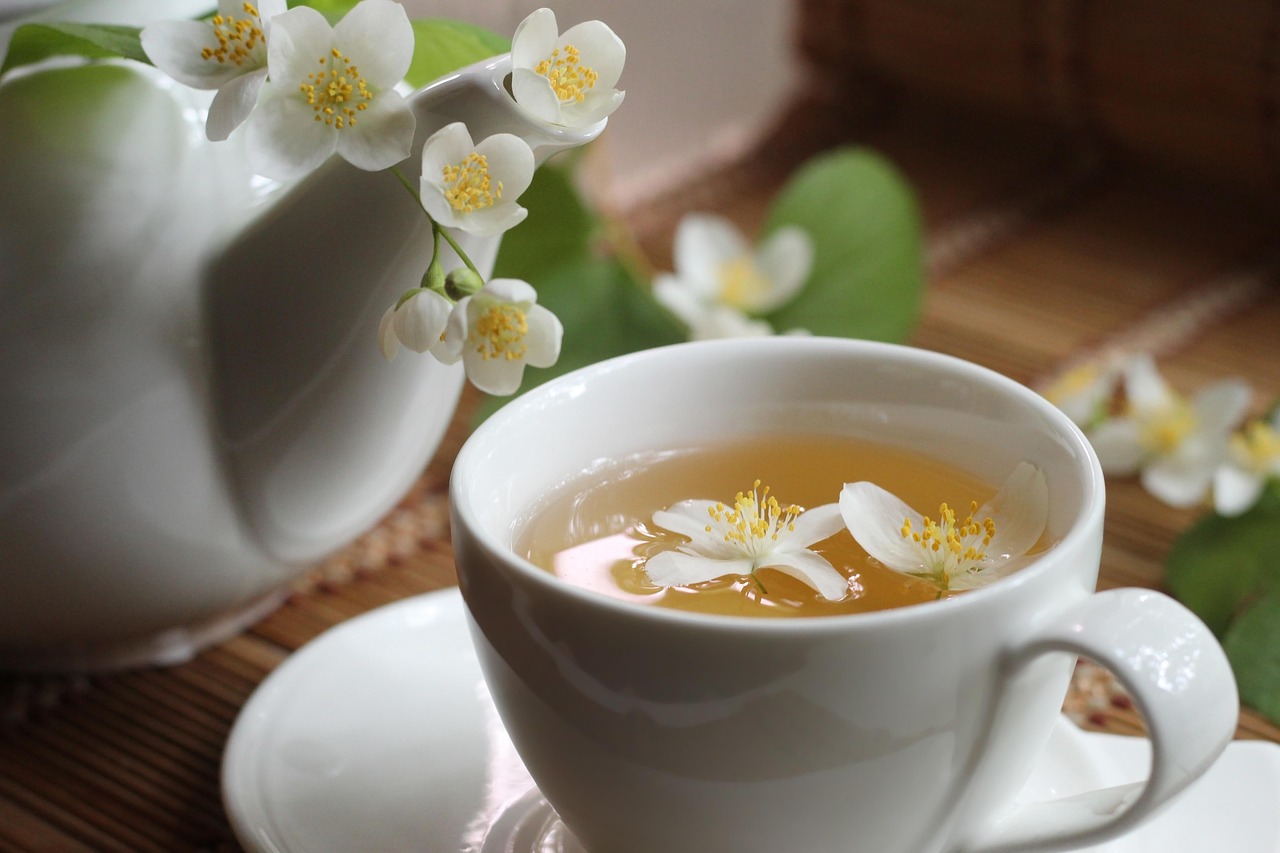
Jasmine tea is one of those drinks that feels instantly calming the moment you lift the cup to your nose. The floral aroma is soft but unmistakable, and the flavor often tastes clean, lightly sweet, and soothing without being heavy. For many tea lovers, jasmine is an easy daily favorite because it can feel both comforting and refreshing—equally welcome in a quiet morning routine or as a relaxing afternoon pause. Whether you’re exploring classic loose-leaf blends or falling in love with rolled dragon pearls, jasmine tea offers a beautiful balance of fragrance and flavor that’s hard to forget.
What Jasmine Tea Really Is
Jasmine tea isn’t usually a tea plant on its own—it’s most often tea leaves that have been scented with jasmine blossoms. The most common base is green tea, so you’ll often see it labeled as jasmin green tea, though jasmine can also be paired with white tea or oolong in some blends. Traditionally, fresh jasmine blossoms are layered with tea leaves so the leaves absorb the floral perfume. The flowers are then removed, leaving behind tea that carries the scent naturally.
That’s why a well-made jasmine flower tea tastes floral without tasting like perfume. The best cups feel smooth and clean, with the jasmine aroma floating above the tea rather than overpowering it. It’s also why brewing matters: water that’s too hot or steeped too long can pull out bitterness and hide the delicate floral notes.
Dragon Pearls and Other Jasmine Styles
If you’ve ever opened a tin of jasmine pearls and found tiny, hand-rolled tea balls, you’ve met one of the most famous forms of jasmine tea: dragon pearls. These pearls are typically made from tender tea leaves rolled into small spheres that slowly unfurl when steeped. Watching them open is part of the charm, but the flavor is the real reward—often smoother, sweeter, and more layered than many basic bagged blends.
Jasmine tea also comes in simpler everyday styles, like flat green leaves scented with jasmine or lightly twisted leaves that brew quickly and consistently. Some blends lean greener and brighter, while others are softer and more mellow. If you like experimenting, you can compare different jasmine styles the same way you might compare two classic black teas—like noticing how jasmine’s floral lift contrasts with the citrus-bergamot personality of earl grey tea.
Is Jasmine Tea Caffeinated?
Many people ask whether jasmine tea caffeinated is something to worry about at night. The answer depends on the base tea. Most jasmine blends use green tea, which naturally contains caffeine—generally less than black tea, and far less than coffee, but still enough to provide a gentle boost. If your jasmine is made with white tea, it may feel lighter. If it’s blended with oolong, it might feel a bit stronger and more toasty.
If you’re sensitive to caffeine, pay attention to how your body responds and consider brewing tricks that can soften the effect. A shorter steep time can reduce bitterness and often keeps the cup feeling lighter. And if you want jasmine flavor with minimal stimulation, you may be able to find decaffeinated jasmine options, though they can taste slightly different.
How to Brew a Better Cup
To highlight jasmine’s best qualities, use water that’s hot but not boiling—often around 170–185°F (77–85°C) for green-based jasmine. Steep for about 2–3 minutes, then taste. If you’re brewing dragon pearls, you can often steep a little longer, or re-steep the same pearls multiple times, enjoying how the flavor changes with each round.
Try brewing jasmine in a clear glass or a simple porcelain cup to appreciate the aroma as it rises. Keep additions minimal at first. Jasmine tea tends to shine on its own, and sweeteners can blur the delicate floral notes. If you like a softer cup, consider a tiny drizzle of honey rather than heavy sugar.
Jasmine Tea in Everyday Rituals
Jasmine tea fits easily into daily life. It can be your “reset” drink between tasks, a gentle companion to reading, or a warm, fragrant option when you want something lighter than a bold breakfast tea. It also plays well with food: mild pastries, fruit, rice dishes, or light snacks can match the tea without overpowering it.
You may also see playful variations or typos in casual conversations and menus—like “jasmine mile tea”—and while it isn’t a standard style, it’s a reminder that jasmine tea is popular enough to show up everywhere, sometimes under creative names. No matter the label, what matters most is the balance between clean tea flavor and natural jasmine aroma.
Conclusion
Jasmine tea is a beautiful example of how simple ingredients can create a deeply soothing experience. From carefully scented jasmine flower tea to elegant dragon pearls that unfurl in your cup, jasmine offers fragrance, comfort, and a gentle lift that many people love. If you’ve ever wondered whether jasmine tea caffeinated is right for your routine, the base tea provides the clue—and you can always adjust steep time to match your preferences. And if you enjoy comparing tea personalities, jasmine’s floral calm makes a lovely contrast to the bright, citrusy character of earl grey tea. However you brew it, jasmine tea invites you to slow down and savor the moment.