
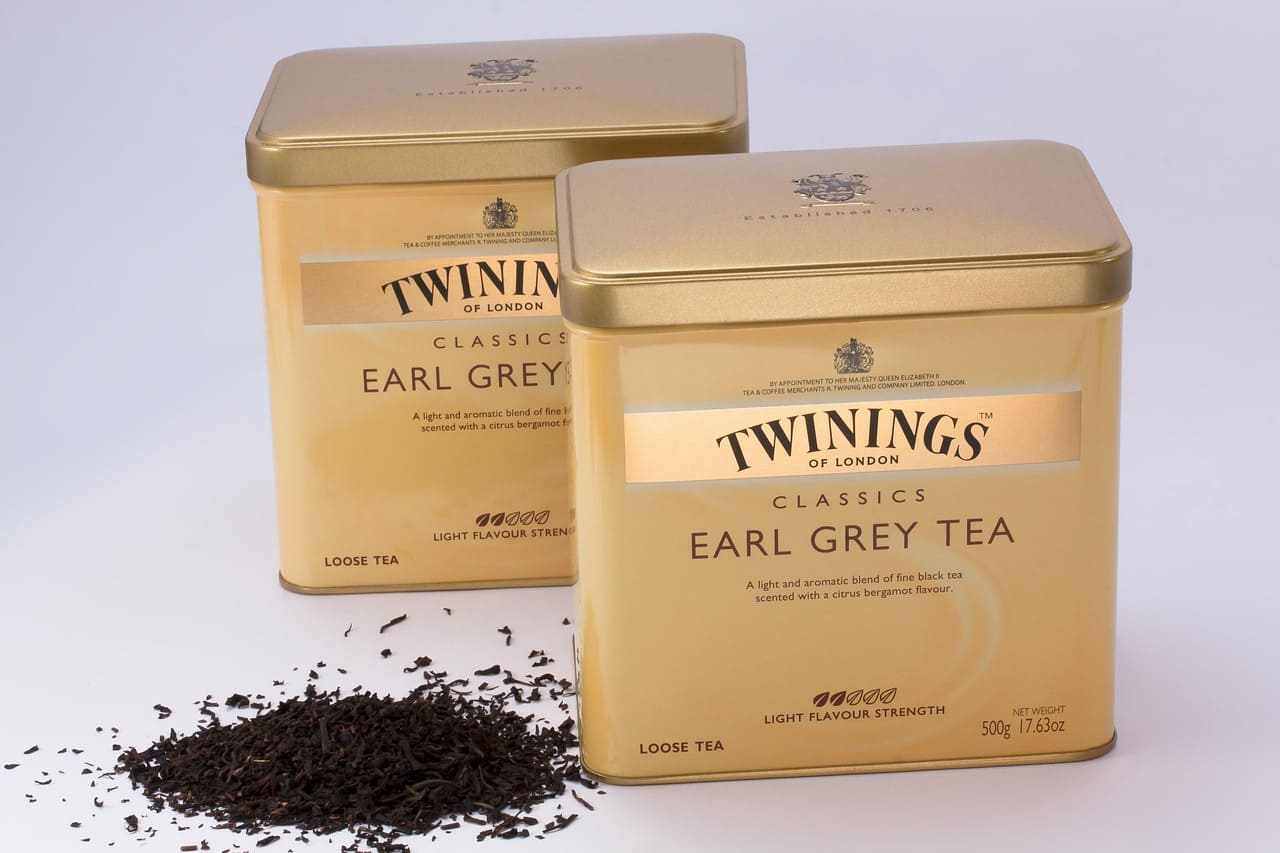
Earl Grey tea has a way of feeling both timeless and fresh at the same time. It’s familiar, yet it still surprises you—one sip delivers that unmistakable citrusy lift from bergamot layered over a deep, comforting black-tea base. Whether you drink it plain, with a splash of milk, or dressed up into a café-style treat, earl grey is the kind of cup that can fit a brisk morning, a quiet afternoon, or a cozy evening wind-down. It also invites comparison with other comforting favorites—like spearmint tea—because both can feel soothing, even though their flavors are completely different. If you’ve ever wanted a tea that’s elegant without being fussy, Earl Grey is an easy place to start.
What Makes Earl Grey Unique?
At its core, earl grey black tea is black tea flavored with oil from bergamot peel. Bergamot is a fragrant citrus fruit, and its aroma is what gives earl grey its signature personality: floral-citrus on the nose, bright at first sip, then grounding as the black tea comes through. That contrast—sparkle plus structure—is why it tastes “fancy” without being complicated.
Because it starts with black tea, earl grey naturally carries some tannins and a gentle astringency, especially if it’s steeped too long. The trick is to brew it with intention so the bergamot stays crisp rather than bitter. Many people find that slightly cooler water or a shorter steep time keeps the flavor smooth and balanced. If you like your tea strong, you can always steep a touch longer or add an extra half teaspoon of leaves, but it’s worth tasting as you go.
There’s also variation in the tea base. Some blends use bold Assam for a malty backbone; others lean on Ceylon for a cleaner, brighter cup. That’s why one box of earl grey can taste dramatically different from another, even if both are “Earl Grey.” The bergamot level and the base tea choice work together to shape everything from sweetness to bite.
Classic Brewing and Best Ways to Drink It
A good mug of earl grey doesn’t require much—just fresh tea, hot water, and a little attention. Start with water that’s just off boiling, steep for about three to four minutes, then taste. If it’s too sharp, steep less next time; if it’s too light, add a bit more leaf instead of stretching the steep time too far. That helps you keep the bergamot bright while avoiding that dry, over-steeped edge.
Earl grey also plays well with milk, which is part of why it’s a favorite “afternoon tea” pick. Milk rounds the tannins and makes the citrus feel softer and creamier. Add a touch of honey or sugar if you like, but it’s not required—the bergamot can feel naturally sweet when brewed correctly.
If you want something café-like, try a london fog tea. It’s essentially earl grey prepared with steamed milk and a little vanilla sweetness. The bergamot becomes almost perfume-like against the creamy base, and the vanilla ties everything together. It’s cozy, aromatic, and a great alternative when you want the comfort of a latte without switching to coffee.
Lady Grey and Other Variations
If earl grey feels bold and dramatic, lady grey tea often feels a bit lighter and brighter. While recipes vary by brand, lady grey typically includes bergamot plus additional citrus notes—sometimes orange or lemon—creating a gentler, more “sunny” profile. Many people who find classic earl grey too intense enjoy lady grey as an everyday option, especially in the morning when they want something uplifting but not heavy.
You might also run into earl grey blends that include extra botanicals like cornflower petals or lavender. Those can add a soft floral layer, turning the tea into something almost dessert-like without needing sugar. The key is to treat these blends with the same care: don’t over-steep, and let the aroma guide you.
And while earl grey is typically associated with black tea, some modern variations use green tea or rooibos bases. They’re not traditional, but they can be lovely—especially if you want bergamot flavor with a different kind of body.
Conclusion
Earl Grey is famous for a reason: it’s simple, distinctive, and endlessly adaptable. From a straightforward cup of earl grey black tea to a creamy london fog tea, it offers a whole range of moods—bright, cozy, elegant, and familiar all at once. If you’re curious about exploring beyond your usual mug, try comparing classic earl grey with lady grey tea to see which style fits your taste and routine. And whether you keep it minimal or dress it up, this bergamot-kissed classic is a reminder that the best teas don’t need to be complicated to feel special.